

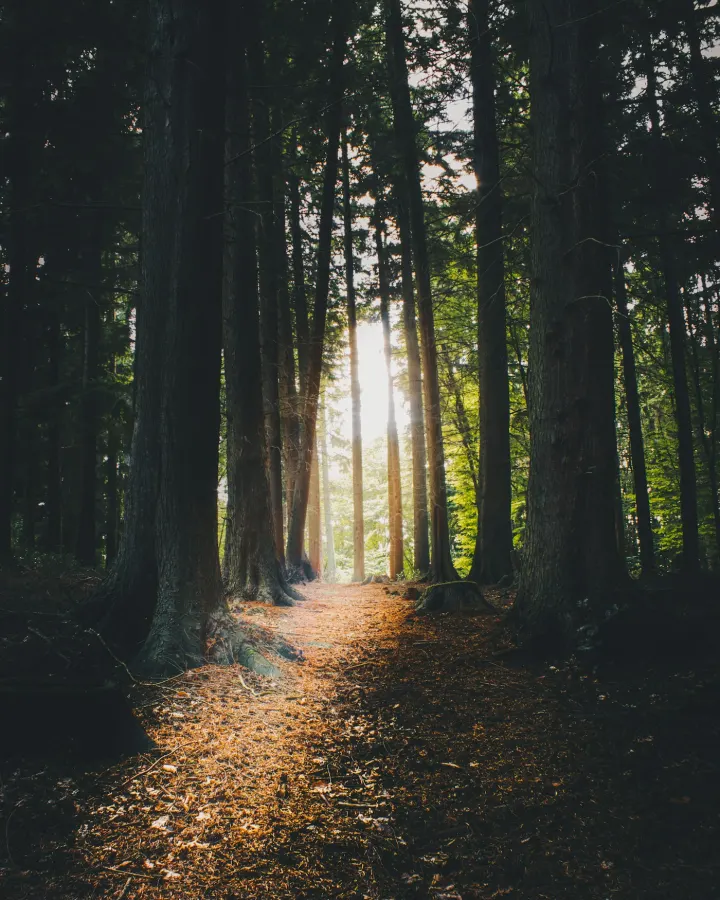
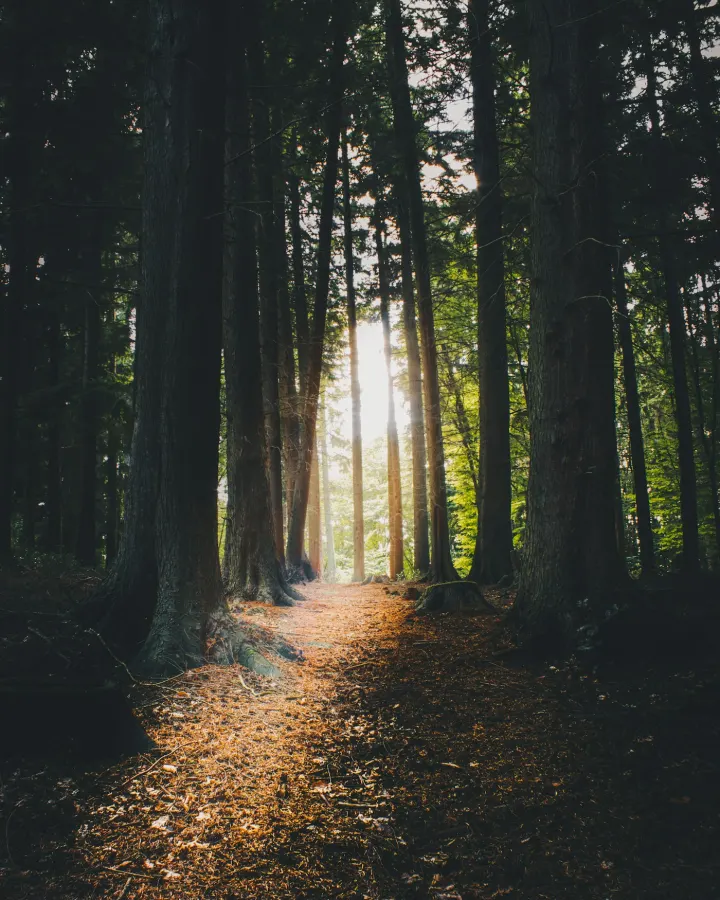
The value of a walk is not always measured in distance. A familiar path through a nearby park can feel different when you stop rushing. Light between the trees, the colour of the ground and the same bend at a different hour can be enough to spark a small discovery.
Choose somewhere accessible
This is not a recommendation for a particular trail. It is an invitation to try a safe, open walking route near you with a little more attention. Check the current visitor rules, weather and your return journey before leaving. A short, familiar and marked route is a comfortable place to begin.
Carry a few useful things
Water and a small snack suited to the length of your walk.
Comfortable footwear and clothing for the weather and ground.
A charged phone and the route information you need.
A small bag so you can take your litter home.
Make three small stops
At the first stop, listen to the surrounding sounds for a minute.
At the second, observe the same view as both a wide scene and a close detail.
At the last, write down three things you would like to remember.
Sometimes a new route begins with a change in attention, not direction.
If you take photographs, remember that you do not have to collect every attractive view. Choose a few frames and put your phone away again. Stay on the marked path and leave space for plants, wildlife and other visitors. There is no need to interrupt the place in order to notice it.
Bring home one sentence
When you return, try one question instead of a list of achievements: what did I notice most today? A few lines after each walk can gradually become a seasonal record of the place where you live. Going back somewhere is also a form of discovery.
On another day, walk the same path at a different time. Look for the detail you wrote down and see whether it still draws your attention. The route may be unchanged, while your experience of it is entirely different.


Comments 0
A good article starts a conversation.
Sign in to join the conversation.
Sign in